








Ernesto Oroza Workshop

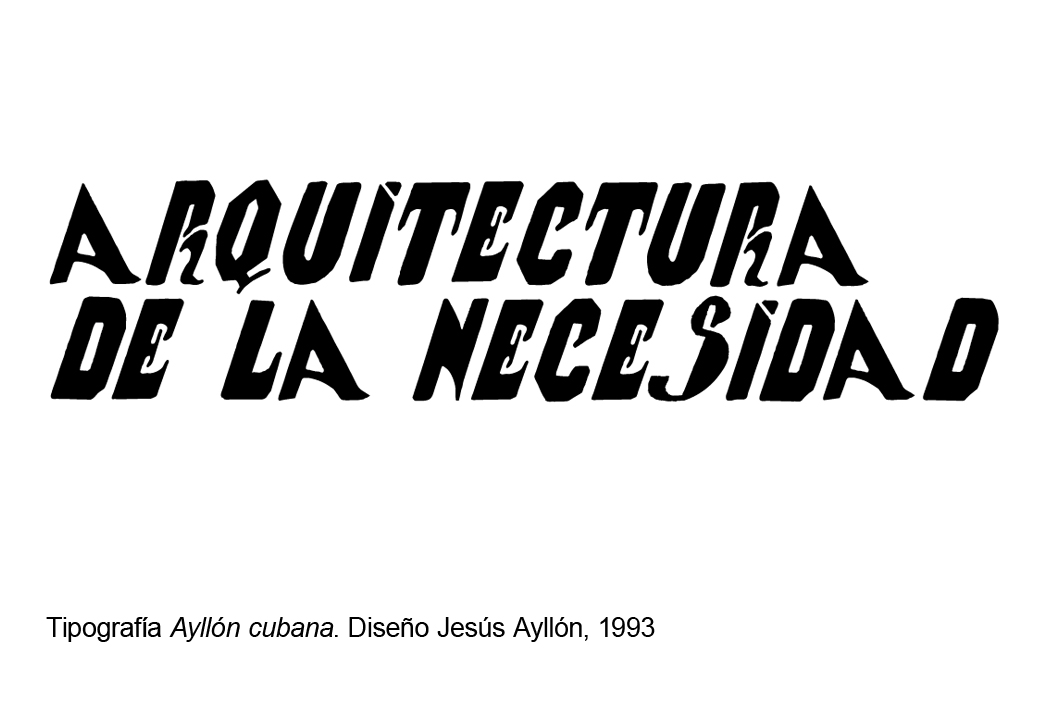
Technological Disobedience, Architecture of necessity, Moral Modulor, Moire house, Objects of Necessity, Generic matter, ...

  • Increase font size
  • Default font size
  • Decrease font size
Home
E-mail Print PDF

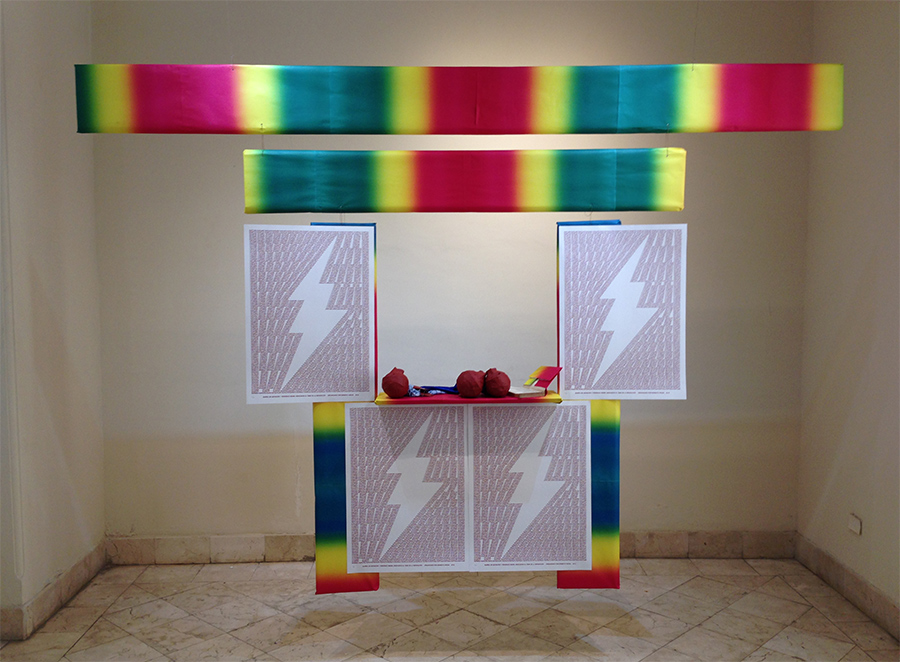
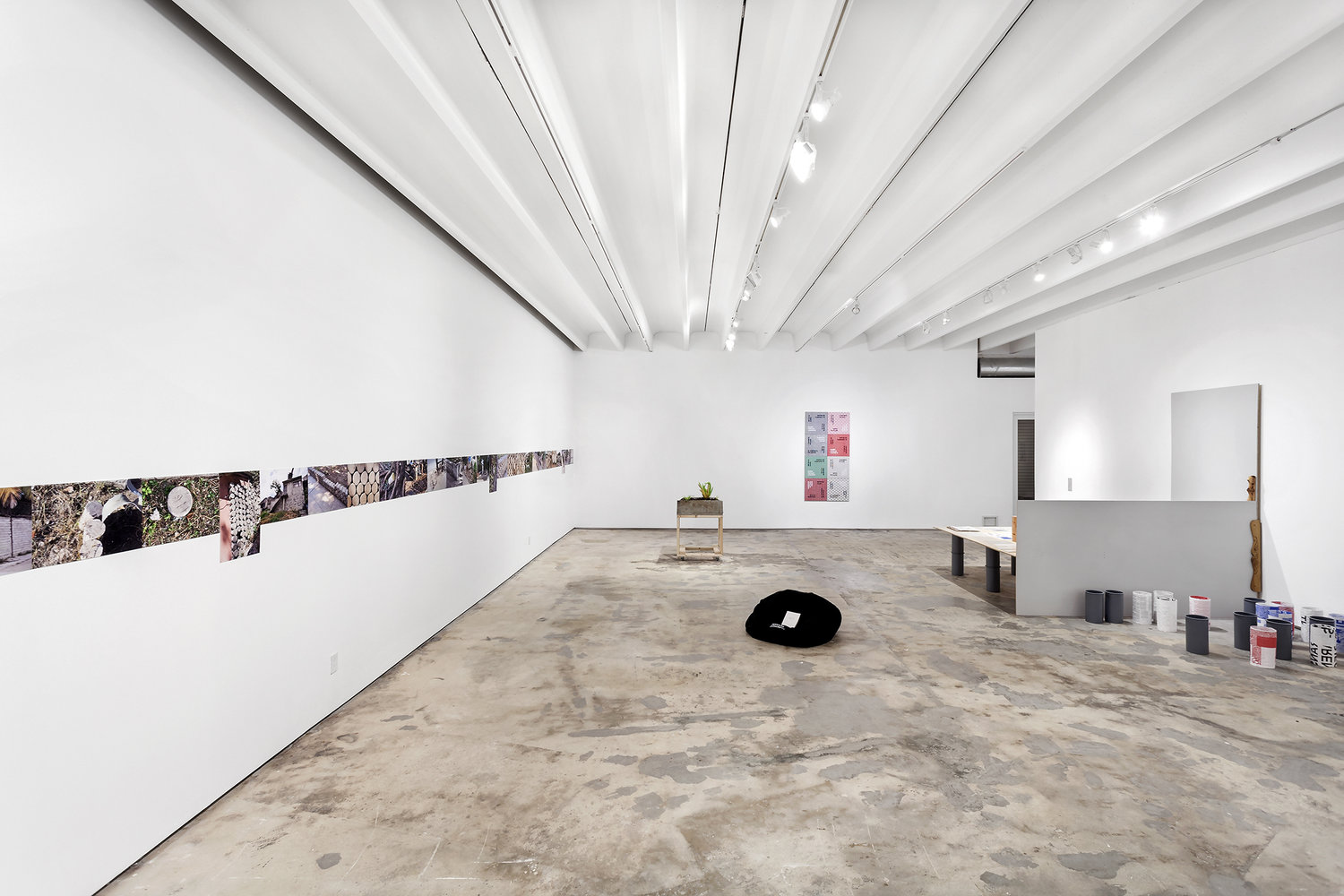
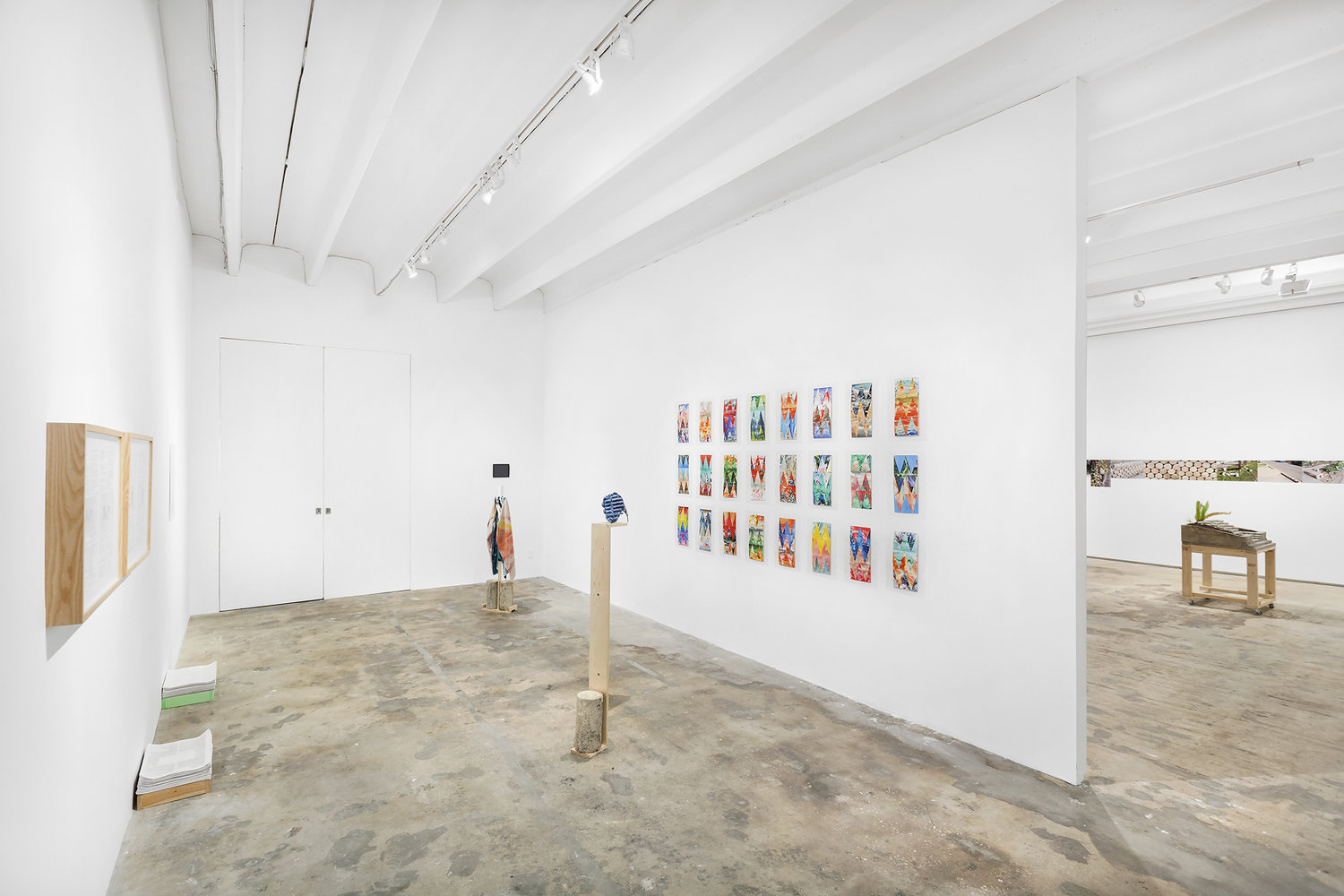
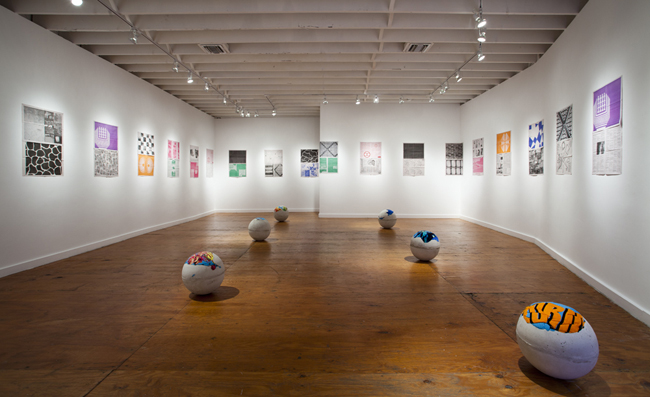
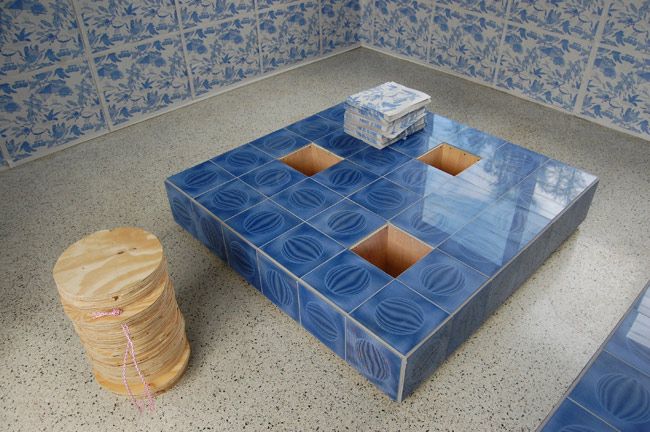
Central America in Focus | Pinta London 2013 is delighted to present a special curatorial space focusing on the most interesting emerging and established artists from Central America. Omar Lopez-Chahoud will curate new works by Andres Carranza, Franklin Evans, Ernesto Oroza, Federico Herrero, and Hector Arce-Espasas for De la Cruz Projects.

http://www.delacruz-projects.com


E-mail Print PDF

Dreams and Realities : Visions from Taiwan and Cuba of a Post Cold-War World, Chi-Wen Gallery in collaboration with Peter Kalb and Joe Lin- Hill, at Art Basel in Hong Kong, from May 23rd - 26th, 2013.

Download PDF

 
E-mail Print PDF

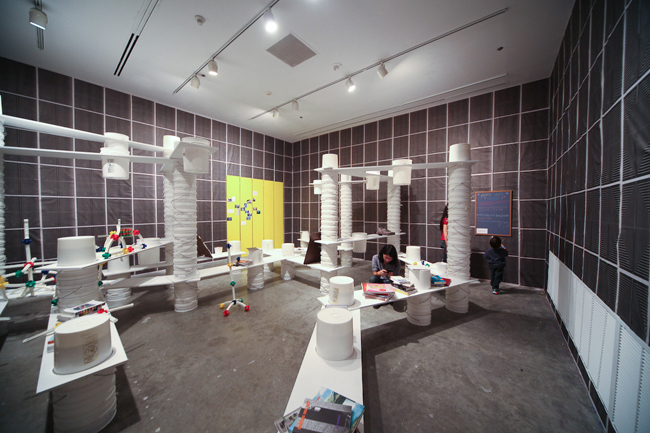
Reading Room @ Julius Caesar
3311 W. Carroll Ave. Chicago, IL 60626
organized by Sean Ward
http://juliuscaesarchicago.org/reading.html

 
E-mail Print PDF


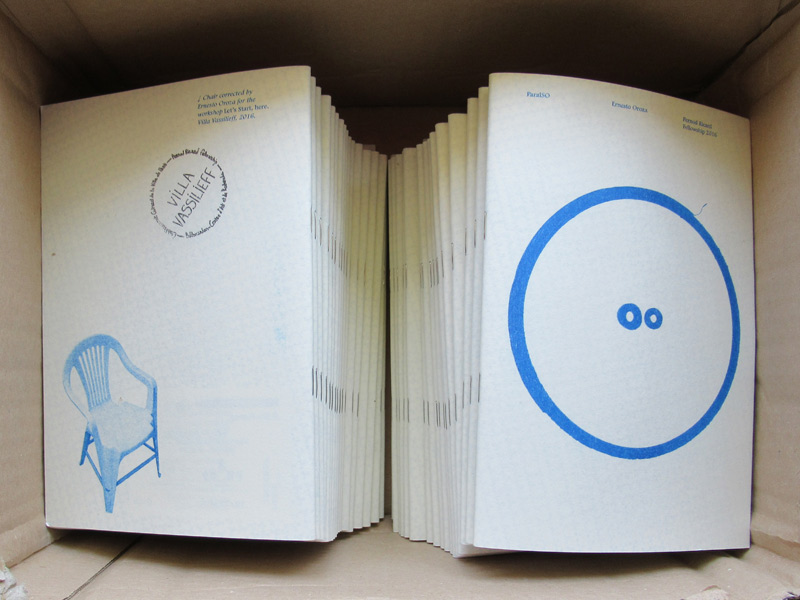
Nas bancas> Miami e Havana: em busca do “Para-ISO”

Utopias do progresso e constrangimento à criatividade são comuns às duas cidades

Texto e fotos exclusivas de Ernesto Oroza para a seção Territórios da Revista Select
http://www.select.art.br/article/editorial/o-havai-seja-aqui

 
E-mail Print PDF

DOMESTIC ANIMAL GHOSTS

Curated by Gean Moreno

 
E-mail Print PDF

 
E-mail Print PDF

FREE ENTRANCE

Grand Hornu (Belgique) le 22 et 23 mars 2013 de 11 :00 à 19 :00.

En mars 2013, DESIGN, POVERTY, FICTION célèbre le 40e anniversaire du premier choc pétrolier (mars 1973), qui marque l’entrée des pays occidentaux en crise permanente. Pour le moment, rien n’indique une rémission. Il est donc essentiel d’imaginer la pauvreté autrement, soit pour s’en accommoder, par manque d’alternatives, soit pour en faire un lieu d’expériences.

DESIGN, POVERTY, FICTION questionne le rapport ambigu qu’entretient le design avec la pauvreté.

Read more...
 
E-mail Print PDF

Flash Théorie : "Autoproduction"

http://esad-reims.fr/blog/category/2.html
Mardi 12 mars 2013, de 9h30 à 13h - Médiathèque Falala, Reims • L'ESAD reprend le fil conducteur de sa recherche en Design : l'autoproduction. Avec une affiche d'invités particulièrement prestigieuse et internationale.

Qu'est-ce que l'Auto-production ?
Mettant en cause des modèles de développement, de consommation et de représentation de l'industrie à grande échelle, de plus en plus de designers choisissent - ou sont contraints - de se (ré)approprier le territoire de la production. Diverses et variées, leurs démarches vont du design d'édition à l'autoproduction assistée par ordinateur (fab lab), en passant par des unités de production semi-artisanales, et se posent comme des systèmes d'adaptation à la crise économique et industrielle de ces dernières années aussi bien que comme prises de positions éthiques, esthétiques et politiques. L'autoproduction y devient un modèle, que l'ESAD défend à travers une théorie, un système et un modèle éducatif.

Initié lors des 2èmes Rencontres Internationales de l'Art et du Design (24 octobre 2011),  cette recherche  s'inscrit désormais dans un vaste projet européen portant sur la notion d'Innovation Sociale intitulé Design and Social Innovation : Political Economy of the Commons (SIDESIGN ) qui  regroupe onze institutions internationales.

Read more...
 
E-mail Print PDF

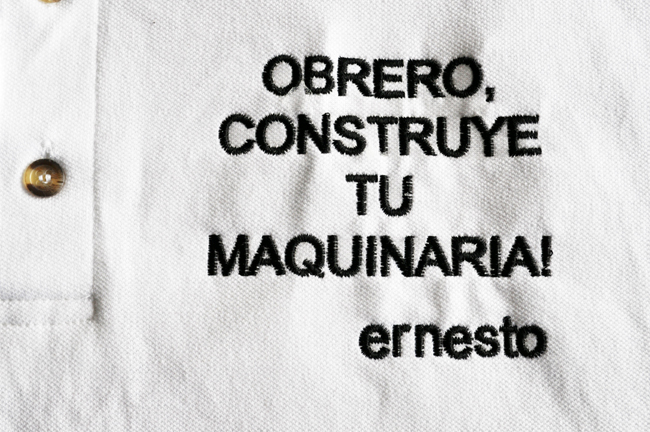
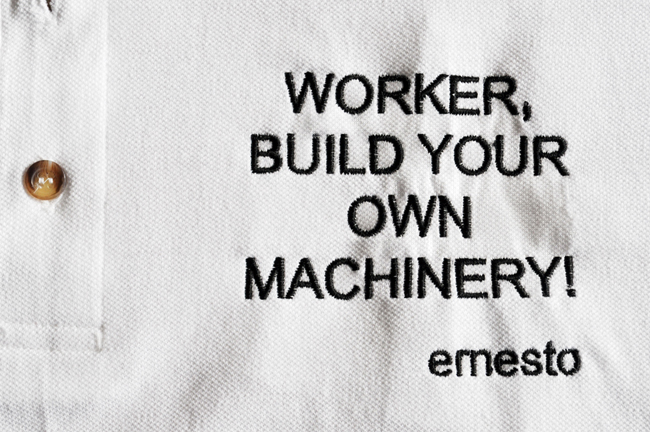
WORKER, BUILD YOUR OWN MACHINERY!
Ernesto Oroza's workshop and lecture. 13, 14 and 15 March, 2013
EPCC – ÉCOLE SUPÉRIEURE DES BEAUX-ARTS TOURS ANGERS LE MANS


E-mail Print PDF

Les androïdes rêvent-ils de cochons électriques ?
Curator: Marie-Haude Caraës
Scenography: Adrien Rovero


photo Sonia Barcet


Cité du design - Bâtiments H

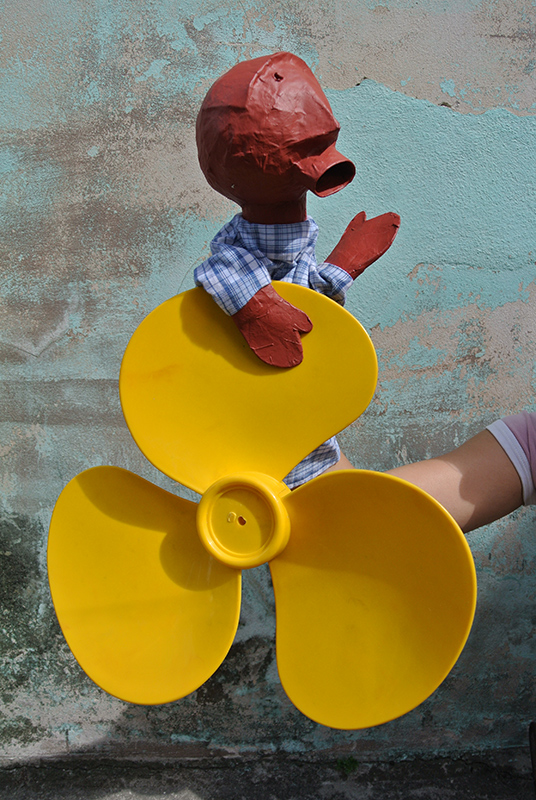
In 1976, in the story, Do androids dream of electric sheep?, Philip K. Dick prefigured a post-nuclear society where the few remaining animals on earth are supplanted by mechanical doubles created by man. It is impossible not to draw a comparison between K. Dick's story and our own. For the author, man will come to the cruel conclusion that after having destroyed the animals, he can't live without them.

K. Dick's electric sheep have a direct filiation with Vaucauson's mechanical duck, in 1739, which pretended to digest food. At the dawn of the 21st century, Sony has put together Aibo, a robot pet dog, which doesn't always obey its master's orders. In 2012, Robojelly roams about in the sea like a jelly fish to track down tankers which are illegally emptying their tanks. Will these artificial entities change the rapport between man and animals?

Over the course of history, the utility roles attributed to animals - hunting, agriculture, mobility - have been gradually taken over by technical solutions. Animals continue to be exploited for their meat, skin, fur, their organs, but at the same time they are absent from our lives. At a time when we are criticizing industrial systems, the relations between man and animals are being reconsidered. By means of a selection of artifacts, the "Androids" exhibition leads the visitor to reflect on his rapport with animals.

 
  • «
  •  Start 
  •  Prev 
  •  1 
  •  2 
  •  3 
  •  4 
  •  5 
  •  6 
  •  7 
  •  8 
  •  9 
  •  10 
  •  Next 
  •  End 
  • »


Page 1 of 11